Save Time and Boost Efficiency with Enterprise Workflow Automation
In today’s fast-paced business environment, efficiency is paramount. One of the most effective ways to enhance productivity and reduce manual workload is through enterprise workflow automation. At Aygates Solutions, we specialize in providing comprehensive workflow automation tools designed to streamline your operations and drive growth.
What is Workflow Automation?
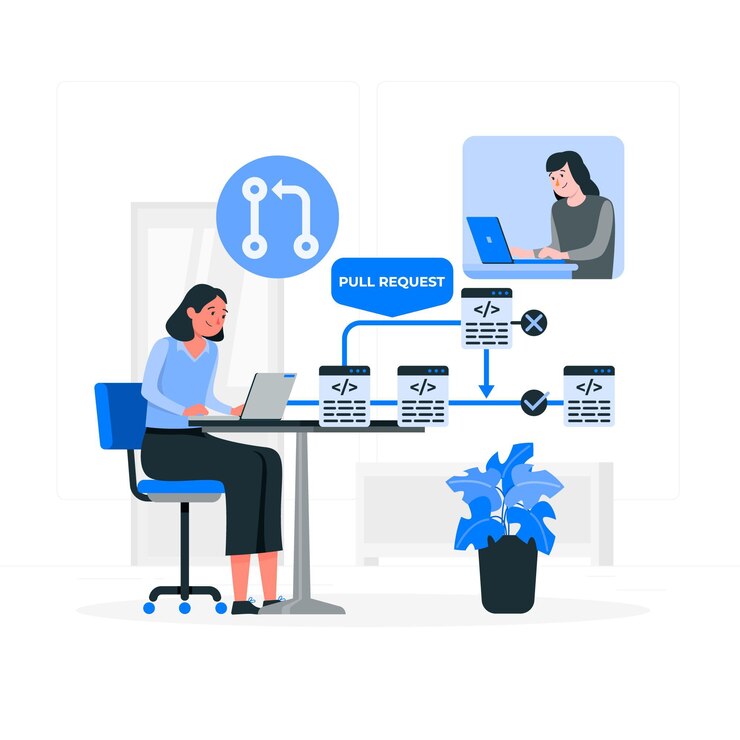
Workflow automation involves the use of technology to perform tasks or processes with minimal human intervention. It encompasses automating a series of actions, such as data entry, approvals, and notifications, based on predefined rules and conditions. By implementing workflow automation, businesses can reduce manual errors, save time, and ensure consistency across various operations.
How Does Enterprise Workflow Automation Work?
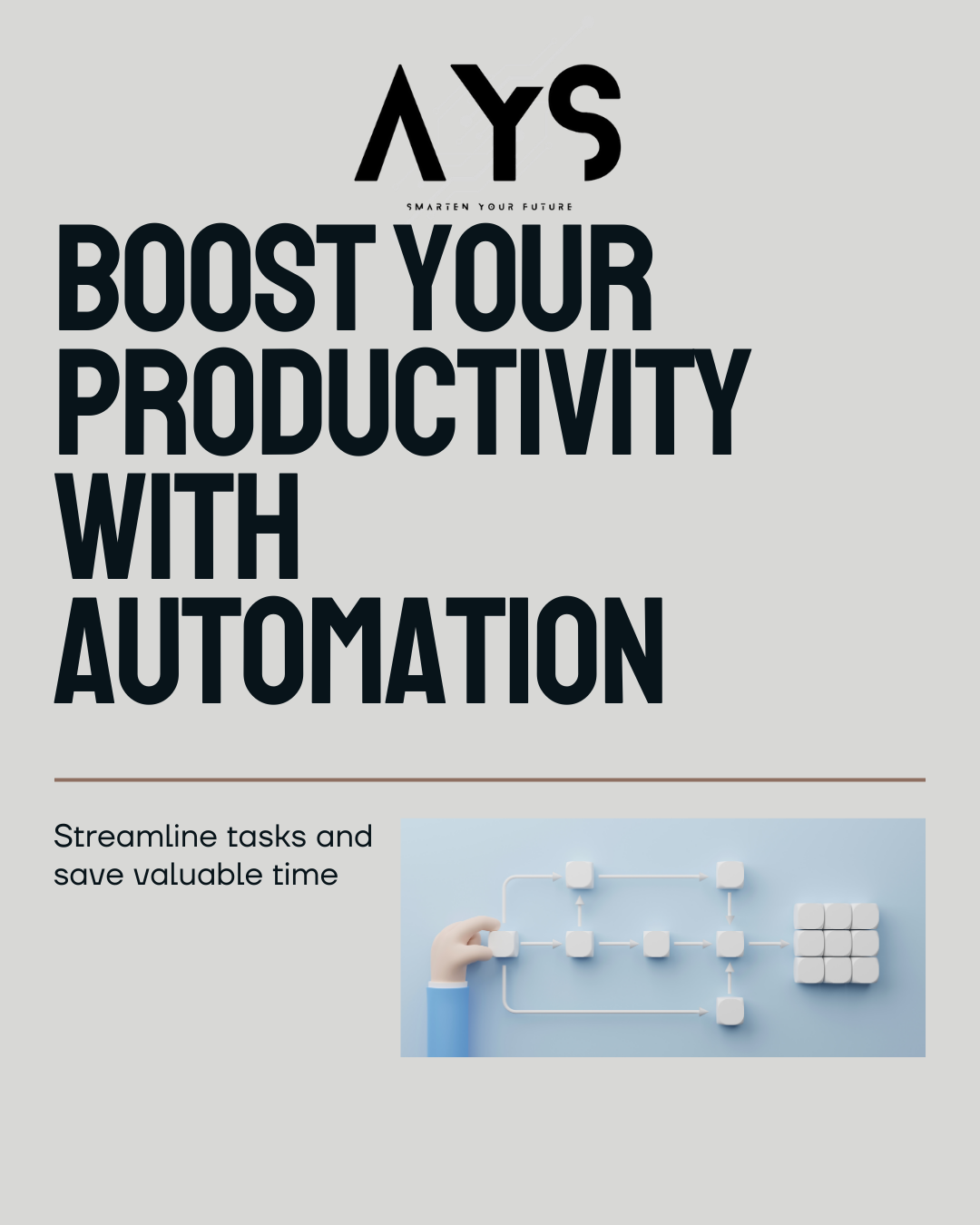
At its core, enterprise workflow automation operates by mapping out a business process to identify tasks suitable for automation. A workflow engine then executes these tasks according to established rules, integrating with various applications to ensure seamless data flow. This system allows for efficient management and monitoring of workflows, providing businesses with the agility to adapt to changing demands.
Why Workflow Automation?
The adoption of workflow automation software is crucial for businesses that want to stay competitive in an increasingly digital landscape. Here’s why:
Efficiency Boost: Automation reduces the need for manual intervention, speeding up processes and eliminating bottlenecks.
Error Reduction: By automating repetitive tasks, you significantly reduce the chances of human error.
Time Savings: Free up time for employees to focus on more strategic, value-driven tasks that require creative input.
Consistency: Automated workflows ensure consistency in processes, which is especially important for customer interactions and internal communications.
Scalability: As your business grows, automating workflows enables you to handle higher volumes of tasks without increasing overhead.
Essential Business Tasks for Automation with Workflow Tools
Data Entry and Management: Automate the input and organization of data across systems to minimize errors and free up valuable time.
Email Marketing Campaigns: Schedule and personalize email communications to engage customers effectively without manual effort.
Invoice Processing: Streamline the generation, approval, and tracking of invoices to ensure timely payments and accurate financial records.
Customer Support: Implement AI-powered chatbots to handle common inquiries, providing instant responses and freeing up support staff for more complex issues.
Social Media Posting: Plan and automate social media content distribution to maintain a consistent online presence and engage with your audience regularly.
Inventory Management: Monitor stock levels and automate reordering processes to prevent shortages and overstock situations.
Appointment Scheduling: Allow clients to book appointments through automated systems, reducing scheduling conflicts and administrative workload.
Document Approvals: Set up automated workflows for document reviews and approvals to accelerate decision-making processes.
Employee Onboarding: Automate the distribution of training materials, forms, and introductory information to new hires, ensuring a smooth onboarding experience.
Project Management: Use automation to assign tasks, set deadlines, and monitor progress, keeping projects on track and team members informed.
How Does Workflow Automation Help CRM?
Customer Relationship Management (CRM) systems are essential for tracking and managing customer interactions, but they can be even more powerful when integrated with workflow automation. Here’s how:
Improved Customer Experience: Automated workflows ensure that customer inquiries are responded to quickly, and follow-ups are timely, leading to improved satisfaction.
Lead Management: Workflow automation can capture leads from various sources and automatically assign them to the right sales representatives, speeding up the conversion process.
Personalized Communication: Automated systems can send personalized messages based on customer behaviors or interactions, ensuring relevant and timely outreach.
Task Assignment: Workflow automation assigns tasks to the appropriate team members based on predefined criteria, ensuring that customer requests are handled promptly.
Performance Tracking: Automation provides CRM users with detailed insights into customer interactions, allowing businesses to track engagement and refine their strategies.
Benefits of Workflow Automation
The advantages of these business automation workflow software are vast and transformative for any business. Here are the key benefits:
Increased Productivity: By automating repetitive tasks, employees can focus on higher-level functions that drive business growth.
Cost Savings: With automation, businesses can reduce the need for additional human resources while maintaining, or even improving, operational efficiency.
Improved Accuracy: Automation ensures that tasks are completed consistently and without the errors typically associated with manual work.
Faster Decision-Making: Workflow automation speeds up processes, enabling quicker responses and faster decision-making, especially in customer service and approvals.
Enhanced Collaboration: Automated workflows provide a clear and transparent view of tasks and responsibilities, making it easier for teams to collaborate efficiently.
Conclusion
By integrating enterprise workflow automation into your business processes, you can dramatically increase efficiency, reduce errors, and provide a better experience for both your team and customers. At Aygates Solutions, we offer robust tools that simplify complex workflows and automate essential tasks, ensuring your business operates at its peak performance. Start automating today and unlock your business’s full potential.
For more information on how our workflow automation tools can benefit your business, please visit our website or contact our team for a personalized consultation.
customer, email marketing, marketing, leads, data, productivity, social media, innovation, phone, app, business, analytics, community, information, product, generative artificial intelligence, artificial intelligence, tool, advertising, chatbot, virtual assistant, customer relationship management, customer experience, data management, efficiency, sales, customer engagement, usability, robotic process automation, software, target audience, communication, natural language processing, onboarding, internet, experiment, workflow, predictive maintenance, algorithm, language, revenue, automation, design, behavior, research, cost, machine learning, computer, content creation, lead, predictive analytics, workforce, software development, telecommunications, risk, targeted advertising, user experience, cloud computing, organization, policy, brand, speed, intelligence, marketing strategy, regulation, logistics, warehouse, customer service, personalization, deep learning, human resources, search engine optimization, sentiment analysis, employment, learning, user interface, accounting, image, advertising campaign, fraud, price, hubspot, engineer, retail, robot, forecasting, computer vision, creativity, knowledge, machine, applications of artificial intelligence, recruitment, inventory, sales teams, insights, business operations, interactions, administrative, sales enablement, professionals, sales assistant, enable, identify, faster, business tools, development, sales productivity, manufacturing, data analysis, conversation, data entry, customer satisfaction, collaboration, amazon web services, consumer, supply chain, expert, strategy, skill, resource, database, microsoft azure, supply chain management, competitive advantage, understanding, demand, knowledge worker, feedback, brain, large language model, brand loyalty, economy, downtime, data quality, operational efficiency, landscape, document, scalability, adoption, risk management, sustainability, investment, language model, return on investment, evolution, preference, system, web conferencing, infrastructure, statistics, search engine, technology, simulation, unstructured data, customer support, world economy, help desk, user, interface, mind, regulatory compliance, clock, stanford university, github copilot, transparency, editing, health, bias, traceability, pdf, human brain, culture, stable diffusion, accessibility, management, expense, anthropic, order fulfillment, united kingdom, energy, claude, medical history, brainstorming, ethics, client, patient
How does AI-powered analytics improve decision-making efficiency?
AI-powered analytics enhances decision-making efficiency by providing accurate, data-driven insights in real-time, enabling businesses to identify trends and make informed choices quickly. This accelerates the decision-making process and improves overall operational effectiveness.
What are the best AI tools for workflow automation?
The best AI tools for workflow automation include platforms like Aygates Solutions, which offer tailored solutions such as AI voice agents and CRM systems, enhancing efficiency and streamlining operations for enterprises.
Can AI-powered chatbots enhance customer service efficiency?
AI-powered chatbots can significantly enhance customer service efficiency. By automating responses to common inquiries, they reduce wait times, provide 24/7 support, and free up human agents for more complex issues, resulting in improved overall customer satisfaction.
What are the key benefits of AI in process optimization?
The key benefits of AI in process optimization include enhanced efficiency through automation, reduced operational costs, improved decision-making with data insights, and the ability to adapt processes dynamically, ultimately leading to increased productivity and streamlined workflows.
What are the main services offered by Aygate Solutions?
The main services offered by Aygate Solutions include enterprise workflow automation, AI voice agents, CRM solutions, and reputation management, all designed to enhance operational efficiency and save valuable time for businesses.
Can AI help reduce operational costs in large enterprises?
AI can significantly reduce operational costs in large enterprises by automating routine tasks, optimizing resource allocation, and enhancing decision-making efficiency, ultimately leading to streamlined processes and reduced labor expenses.
How does AI enhance business process efficiency in various industries?
AI enhances business process efficiency across various industries by automating routine tasks, analyzing vast data sets for insights, and optimizing workflows, leading to reduced operational costs and improved decision-making.
What role does AI play in streamlining supply chain management?
AI plays a vital role in streamlining supply chain management by enhancing data analysis, predicting demand, optimizing inventories, and improving logistics efficiency, ultimately leading to reduced costs and increased operational effectiveness.
How does AI-driven predictive maintenance reduce downtime?
AI-driven predictive maintenance reduces downtime by using advanced analytics and machine learning to anticipate equipment failures before they occur. This proactive approach enables timely interventions, minimizing unplanned outages and optimizing operational efficiency.
Can AI automate repetitive tasks in the workplace?
AI can significantly automate repetitive tasks in the workplace, enhancing efficiency and freeing up time for employees to focus on more strategic activities.
Can AI automate compliance and regulatory reporting?
AI can automate compliance and regulatory reporting by streamlining data collection, ensuring accuracy, and generating reports that meet regulatory standards. This enhances efficiency and reduces the risk of human error in compliance processes.
What role does AI play in enhancing cybersecurity efficiency?
The role of AI in enhancing cybersecurity efficiency is significant. AI technologies enable faster threat detection, automated responses to incidents, and predictive analytics, ultimately strengthening security measures and reducing response times for potential breaches.
Can AI optimize resource allocation in manufacturing?
AI can indeed optimize resource allocation in manufacturing by analyzing data to enhance efficiency, reduce waste, and ensure better utilization of equipment and labor. This leads to improved production processes and cost savings.
How can AI optimize decision-making processes?
AI enhances decision-making processes by analyzing vast datasets quickly, identifying patterns, and providing actionable insights. This leads to more informed, data-driven decisions that boost efficiency and reduce the likelihood of errors in business operations.
What features enhance AI workflow automation tools?
The features that enhance AI workflow automation tools include advanced analytics, integration capabilities, customizable workflows, user-friendly interfaces, and real-time monitoring. These elements collectively improve efficiency, streamline processes, and allow for better decision-making in enterprise operations.
How do AI chatbots improve customer interactions?
AI chatbots enhance customer interactions by providing instant responses, personalizing communication, and efficiently handling inquiries. This leads to improved customer satisfaction, reduced wait times, and streamlined support processes, ultimately fostering stronger relationships between businesses and their customers.
What advantages does AI bring to operational efficiency?
The advantages of AI in operational efficiency include automating repetitive tasks, reducing human error, and providing data-driven insights. These enhancements lead to faster decision-making, improved productivity, and overall streamlined processes for enterprises.
Which industries benefit most from AI solutions?
The industries that benefit most from AI solutions include healthcare, finance, manufacturing, retail, and customer service. These sectors leverage AI to enhance efficiency, improve decision-making, and streamline operations, leading to significant time savings and increased productivity.
How does AI integration impact enterprise productivity?
AI integration significantly enhances enterprise productivity by automating routine tasks, improving decision-making with data-driven insights, and enabling employees to focus on strategic initiatives rather than repetitive processes. This leads to increased efficiency and overall operational effectiveness.
What future trends exist for AI in automation?
Future trends in AI automation include increased adoption of machine learning for real-time data analysis, greater integration of AI with IoT devices, and the rise of autonomous systems that enhance decision-making efficiency and operational agility in enterprises.